Financial innovation and digital infrastructure
A financial service connected to sustainable energy must advance its operating model, technology and regulatory requirements together. Before introducing emerging components, it is necessary to clarify which data represents the asset, how it is verified and which responsibilities accompany each step.
Experiment within a controlled perimeter
The work started from the platform’s flows and identified areas for automation and hypotheses involving blockchain and digital representation of energy assets. Proofs of concept focused validation on traceability, integration and monitoring, separating the operating core from technologies requiring further evidence.
What was assessed
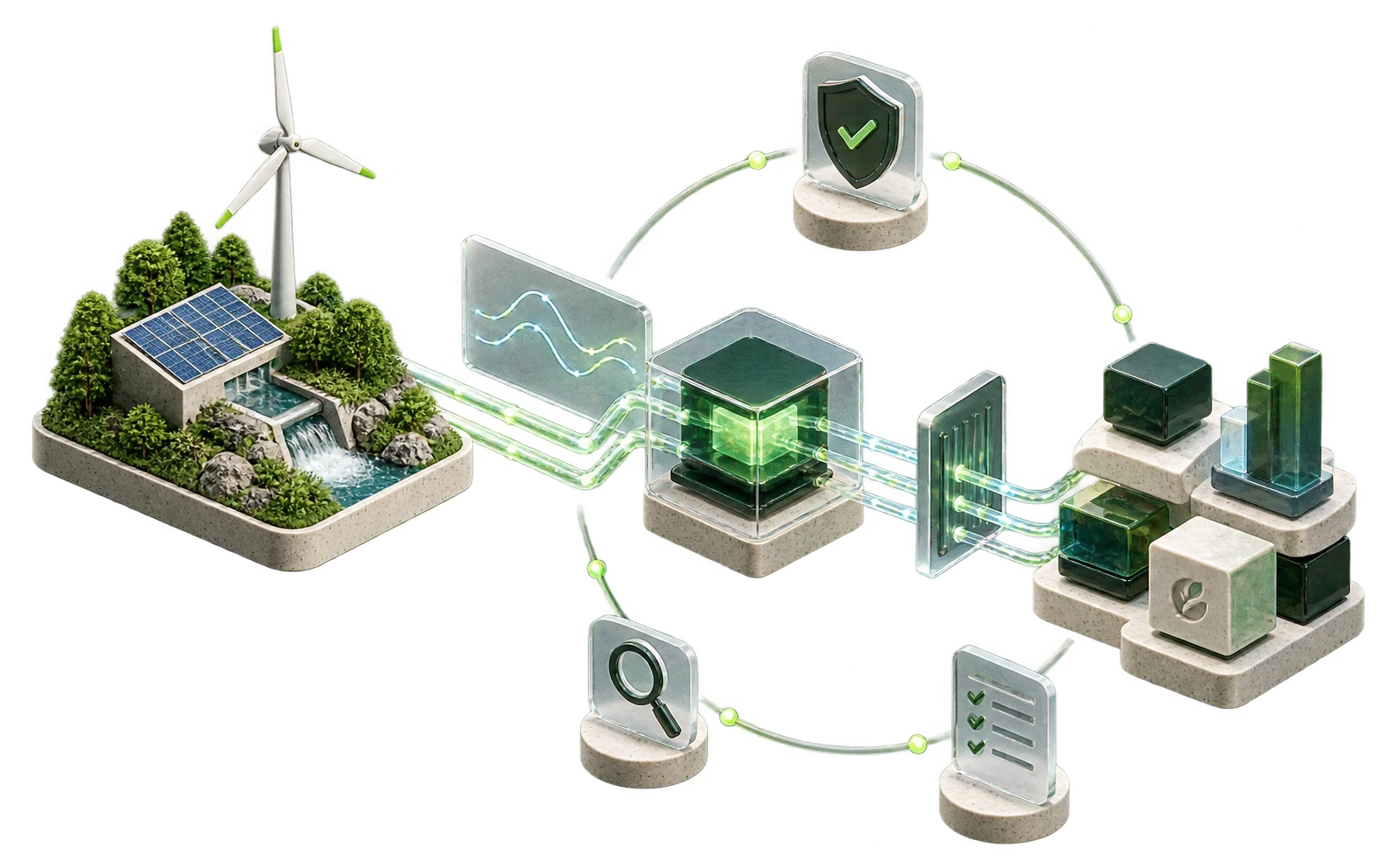
The analysis considered process automation, interoperability with existing systems and ways to represent digitally the assets and flows connected to energy initiatives. Blockchain and tokenisation hypotheses were assessed alongside participant identity, data quality, controls and responsibilities. Proofs of concept validate individual steps in a controlled environment and produce evidence before a product decision.
Technical-economic roadmap and incentives
Project360 supported technical-economic planning and the assessment of public funding opportunities. Its contribution connected development priorities, needs and potential support instruments while keeping the project aligned with technology constraints and specialist regulatory input.
Project360’s contribution
Project360 contributed analysis, technology design, stakeholder coordination and roadmap development while maintaining the connection with external regulatory expertise. Broad possibilities became progressive, verifiable scenarios.
Transferable value
The case offers a method for exploring Web3 and blockchain in FinTech: start with process and data, bound the experiment and measure integration before extending the service.
The same approach is useful for other platforms connecting real assets with digital financial services. Architecture must start from data provenance, required checks and the actors authorised to intervene. Only after this mapping can a distributed ledger be assessed for genuine traceability benefits or unjustified complexity.